

Before moving to Korea, I assumed my monthly expenses would increase significantly.
I expected:
- expensive international living costs
- constant transportation expenses
- high healthcare bills
- and endless “foreigner taxes” that often come with living abroad
But after spending several years living in Korea as a foreigner, something unexpected happened:
I slowly stopped spending money on many things I once considered completely normal.
Some changes happened naturally because Korean cities are designed differently.
Others came from adapting to a slower and simpler lifestyle.
And honestly, many of these changes improved not only my finances, but also my overall quality of life.
In this personal story from Korea Retire Guide, I want to share the 10 biggest things I personally stopped spending money on after moving to Korea — and how those changes reshaped my daily life and overall cost of living in Korea for retirees in 2026.

Contents
- 1 1. I Stopped Paying for a Car
- 2 2. I Stopped Buying Excessive Furniture
- 3 3. I Stopped Spending So Much on Delivery Food
- 4 4. I Stopped Paying Expensive Gym Memberships
- 5 5. I Stopped Buying So Many Clothes
- 6 6. I Stopped Spending Money on Entertainment I Didn’t Truly Enjoy
- 7 7. I Stopped Paying High Healthcare Costs
- 8 8. I Stopped Spending Money on Unnecessary Storage
- 9 9. I Stopped Paying for Constant Convenience
- 10 10. I Stopped Chasing an Expensive Lifestyle
- 11 11. Conclusion
1. I Stopped Paying for a Car
This was easily the biggest financial change in my life.
1-1. I Originally Thought a Car Was Necessary
Back home, owning a car felt unavoidable.
I paid monthly for:
- fuel
- insurance
- parking
- repairs
- maintenance
- registration
At one point, my total monthly car-related expenses were well over:
- ₩900,000 ($670) per month
1-2. Korea’s Public Transportation Changed Everything
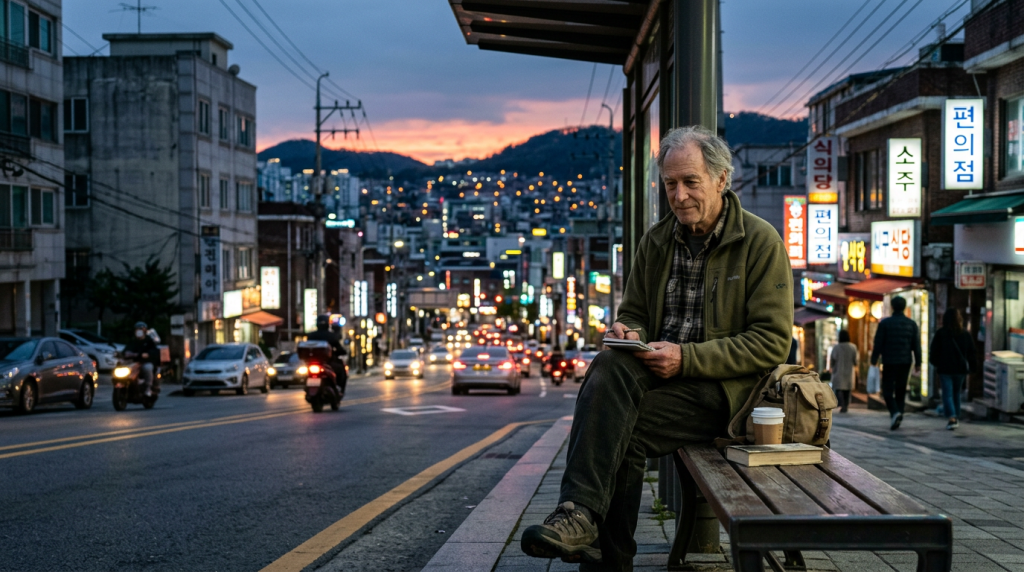
After moving to, I realized I rarely needed a car at all.
The subway and bus systems were:
- reliable
- clean
- inexpensive
- incredibly efficient
My current monthly transportation costs:
| Transportation Expense | Monthly Cost |
|---|---|
| Subway & buses | ₩70,000–₩100,000 ($52–$74) |
| Occasional taxis | ₩50,000–₩80,000 ($37–$60) |
That single lifestyle change dramatically reduced my overall cost of living in Korea for retirees.

2. I Stopped Buying Excessive Furniture
2-1. Korean Apartments Changed My Mindset
When I first moved into my apartment, I considered buying:
- large sofas
- decorative shelves
- extra storage furniture
- oversized tables
But Korean apartments are often more compact and space-efficient.
Eventually, I realized:
I simply didn’t need most of those things.
2-2. Smaller Spaces Surprisingly Felt Calmer
Living in a smaller apartment encouraged a more minimalist routine.
Instead of constantly buying things, I started prioritizing:
- open space
- simplicity
- mobility
- functionality
Ironically, owning less reduced stress considerably.
That became an important part of my evolving slow living lifestyle.

floor cushions, and open uncluttered space.
3. I Stopped Spending So Much on Delivery Food
3-1. At First, I Ordered Delivery Constantly
During my first few months in Korea, I became addicted to delivery apps.
It felt incredibly convenient to order:
- fried chicken
- tteokbokki
- burgers
- ramen
- desserts
Average delivery costs:
| Delivery Item | Average Cost |
| Single meal order | ₩18,000–₩35,000 ($13–$26) |
| Late-night delivery | Often ₩25,000+ ($18+) |
Honestly, loneliness and adjustment stress sometimes made me overspend emotionally.
3-2. Eventually, I Started Cooking Simpler Meals
Over time, I naturally shifted toward:
- grocery shopping
- cooking rice
- simple Korean soups
- homemade meals
Not only did this lower expenses, but it also created healthier daily routines.
4. I Stopped Paying Expensive Gym Memberships
4-1. Korea Encouraged Walking Naturally
One unexpected thing about Korea expat life is how walkable many cities feel.
Because public transportation is so efficient, I walk constantly:
- to subway stations
- through neighborhoods
- near parks
- along beaches
- between cafés
Without realizing it, daily walking replaced much of my previous gym routine.
4-2. Outdoor Exercise Became More Appealing
Especially near the coastline in Busan, I started preferring:
- walking
- hiking
- stretching outdoors
- public exercise parks
Typical gym membership savings:
| Expense | Monthly Cost |
| Previous gym membership | ₩80,000–₩150,000 ($60–$110) |
| Current outdoor exercise cost | ₩0 |

5. I Stopped Buying So Many Clothes
5-1. Korea Made Me Dress More Simply
Before moving, I frequently bought clothes out of habit.
But after settling into life in Korea, my priorities shifted.
I noticed many people here:
- dress neatly
- repeat outfits comfortably
- focus more on practicality than excess
Eventually, I became less interested in constantly buying new clothing.
5-2. My Lifestyle Became More Minimalist
Now my wardrobe is much smaller and simpler.
Ironically, reducing unnecessary shopping improved both:
- finances
- mental clarity
That became one of the most unexpected benefits of living in Korea as a foreigner.
6. I Stopped Spending Money on Entertainment I Didn’t Truly Enjoy
6-1. My Definition of “Fun” Slowly Changed
Before moving abroad, I often spent money impulsively on:
- crowded bars
- expensive events
- unnecessary shopping
- entertainment out of boredom
But Korea gradually changed my pace of life.
I started enjoying:
- quiet cafés
- bookstores
- walking at night
- local markets
- solo routines
6-2. Simpler Activities Felt More Meaningful
Many of my favorite daily experiences now cost very little:
| Activity | Average Cost |
| Convenience store coffee | ₩1,500–₩3,000 ($1–$2) |
| Local café visit | ₩5,000–₩8,000 ($4–$6) |
| Evening coastal walk | Free |
That slower rhythm became central to my design your life after retirement mindset.

7. I Stopped Paying High Healthcare Costs
One of the biggest practical advantages of Korea was healthcare affordability.
7-1. Basic Medical Visits Felt Much More Accessible
Typical costs I experienced:
| Healthcare Expense | Average Cost |
| Clinic visit | ₩15,000–₩30,000 ($11–$22) |
| Medication | ₩5,000–₩15,000 ($4–$11) |
Compared to previous healthcare systems I experienced, Korean clinics felt:
- faster
- cheaper
- easier to access
7-2. I Became More Proactive About Health
Because medical care felt less financially stressful, I stopped delaying treatment unnecessarily.
That improved my quality of life significantly and reinforced why many people researching healthcare in Korea consider Korea attractive for retirement.
8. I Stopped Spending Money on Unnecessary Storage
8-1. Smaller Living Spaces Forced Better Habits
Back home, I accumulated:
- boxes
- seasonal decorations
- unused electronics
- random storage items
But smaller Korean apartments forced me to question:
“Do I actually need this?”
8-2. Owning Less Reduced Daily Stress
Over time, I realized fewer possessions created:
- easier cleaning
- lower moving costs
- less mental clutter
- simpler routines
That became deeply connected to my growing minimalist lifestyle.

9. I Stopped Paying for Constant Convenience
Ironically, Korea is one of the most convenient countries I’ve ever lived in.
But that convenience helped me consume less.
9-1. Essential Services Were Already Nearby
Within walking distance of my apartment, I already had:
- grocery stores
- cafés
- pharmacies
- clinics
- public transportation
- convenience stores
Because everything felt accessible, I stopped making expensive impulse purchases simply out of inconvenience.
9-2. Daily Life Felt More Efficient
That convenience quietly reduced:
- transportation spending
- wasted time
- unnecessary subscriptions
- stress-related spending
10. I Stopped Chasing an Expensive Lifestyle
This was probably the biggest change of all.
10-1. Korea Changed My Definition of Success
Before moving abroad, I often associated success with:
- larger homes
- expensive possessions
- constant productivity
- busier schedules
But Korea slowly introduced me to a different rhythm:
- slower mornings
- simpler routines
- smaller living spaces
- quieter daily habits
10-2. I Started Valuing Peace More Than Consumption
Over time, I realized many of the things that improved my life most were either inexpensive or completely free:
- walking
- routines
- community familiarity
- quiet cafés
- stable healthcare
- public transportation
- peaceful neighborhoods
That realization fundamentally changed my relationship with money.

11. Conclusion
Moving to Korea unexpectedly transformed not only my spending habits, but also my overall perspective on lifestyle, comfort, and happiness.
At first, I thought retiring or living abroad would require spending more money to maintain quality of life. But in many ways, Korea helped me simplify my routines and reduce unnecessary expenses naturally.
For foreigners considering retire in Korea for expats, Korea can offer more than affordability alone. It can also encourage a healthier and more intentional way of living.
At Korea Retire Guide, I continue sharing realistic personal experiences and practical insights to help foreigners better understand what everyday life in Korea actually feels like in 2026.
Next, you may want to read:
“The Best Korean Cities for a Quiet and Peaceful Retirement”
to learn which cities in Korea felt most comfortable, affordable, and emotionally balanced for long-term expat life.




Leave a Reply