Before moving to Korea, I thought I had a fairly realistic idea of what life here would be like. Then what surprised me about life in Korea?
I expected advanced technology, crowded cities, fast internet, good food, and efficient transportation. Most of those expectations were true.
But what genuinely surprised me were the smaller everyday details that nobody really explains in travel videos or online guides — the emotional atmosphere, the social habits, the unexpected comforts, and even the strange little inconveniences that slowly became part of my routine.
After living in Korea longer term, I realized daily life here felt very different from the image I originally had in my head.
In this personal story from Korea Retire Guide, I want to share the things that honestly surprised me most about living in Korea as a foreigner, especially for people considering retire in Korea for expats or long-term relocation in 2026.

Contents
1. I Was Surprised by How Quiet Daily Life Felt
Before arriving, I assumed Korea would feel loud and constantly chaotic because of its dense cities and fast pace.
Surprisingly, many parts of daily life felt quieter than I expected.
1-1. Public Spaces Often Felt Calm
One thing I immediately noticed was how quiet people were on public transportation.
In subways around Seoul:
- People rarely talked loudly
- Phone calls were uncommon
- Most passengers stayed respectful of personal space
Even crowded subway cars often felt calmer than buses or trains I had experienced in other countries.
At first, I interpreted the silence as coldness.
Later, I realized it was often simply consideration for others.
1-2. Cafés Became Part of My Routine
Another surprise was how much time people spend in cafés.
At first, I thought cafés were mostly for quick coffee stops.
Instead, I found people:
- Studying quietly for hours
- Reading books alone
- Working remotely
- Having calm conversations
Eventually, cafés became one of my favorite parts of Korean daily life.
Typical café costs in 2026:
| Item | Average Cost |
|---|---|
| Americano coffee | ₩2,500 – ₩5,500 ($2–$4) |
| Dessert or bakery item | ₩5,000 – ₩9,000 ($4–$7) |
| Brunch café meal | ₩12,000 – ₩22,000 ($9–$16) |
I slowly developed a routine of visiting local cafés several times a week just to relax or observe daily life.

2. Convenience Changed My Lifestyle More Than I Expected
I knew Korea was technologically advanced.
I didn’t realize how much convenience would affect my mental state.
2-1. Everyday Tasks Required Less Energy
Simple daily activities became surprisingly efficient:
- Paying bills
- Ordering food
- Using transportation
- Visiting clinics
- Shopping late at night
At first, I thought convenience was just a luxury.
Over time, I realized it actually reduced stress.
Because daily logistics became easier, I had more mental energy for:
- Walking
- Exploring neighborhoods
- Exercising
- Reading
- Relaxing
That balance strongly supported the slow living lifestyle I had been searching for.
2-2. Convenience Stores Felt Almost Unreal
Honestly, Korean convenience stores surprised me more than I expected.
They weren’t just small snack shops.
People used them for:
- Meals
- Coffee
- ATM banking
- Package pickup
- Basic medicine
- Mobile payments
Typical convenience store costs:
| Item | Average Cost |
| Triangle kimbap | ₩1,500 – ₩2,500 ($1–$2) |
| Instant ramen | ₩1,200 – ₩2,000 ($1–$1.50) |
| Ready-to-eat lunch box | ₩5,000 – ₩8,500 ($4–$6) |
During busy or tiring days, convenience stores genuinely made life easier.

3. I Didn’t Expect Korea to Feel So Safe
One of the biggest emotional surprises for me was the feeling of personal safety.
3-1. I Stopped Feeling Constantly Alert
In some countries where I previously lived, I always felt mentally cautious:
- Watching my belongings
- Avoiding certain areas at night
- Being careful on public transportation
In Korea, that constant mental tension slowly decreased.
I often walked alone late at night without feeling particularly nervous, especially in residential areas around Busan.
Many foreigners ask:
is Korea safe for expats?
From my own experience, Korea felt significantly safer than many large international cities I had experienced before.
3-2. Older People Stayed Surprisingly Active
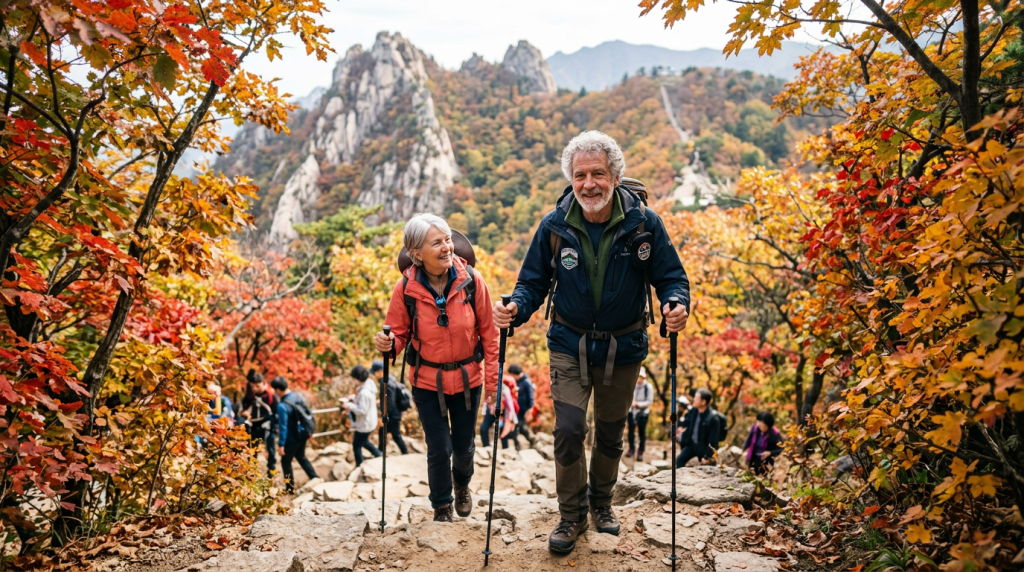
Another thing that surprised me was how active many older residents remained.
I regularly saw people in their 60s and 70s:
- Hiking mountains
- Using outdoor gyms
- Traveling independently
- Meeting friends daily
- Walking long distances
That environment subtly changed my own perspective on aging and retirement.
4. Korea Also Felt Emotionally Contradictory at Times
Not every surprise was positive.
4-1. Loneliness Could Appear Unexpectedly
Even in crowded places, I sometimes felt strangely isolated.
Because I couldn’t fully understand conversations around me, some days felt emotionally distant even while surrounded by people.
Simple things like:
- Humor
- Cultural references
- Social norms
- Fast conversations
sometimes reminded me that I was still an outsider.
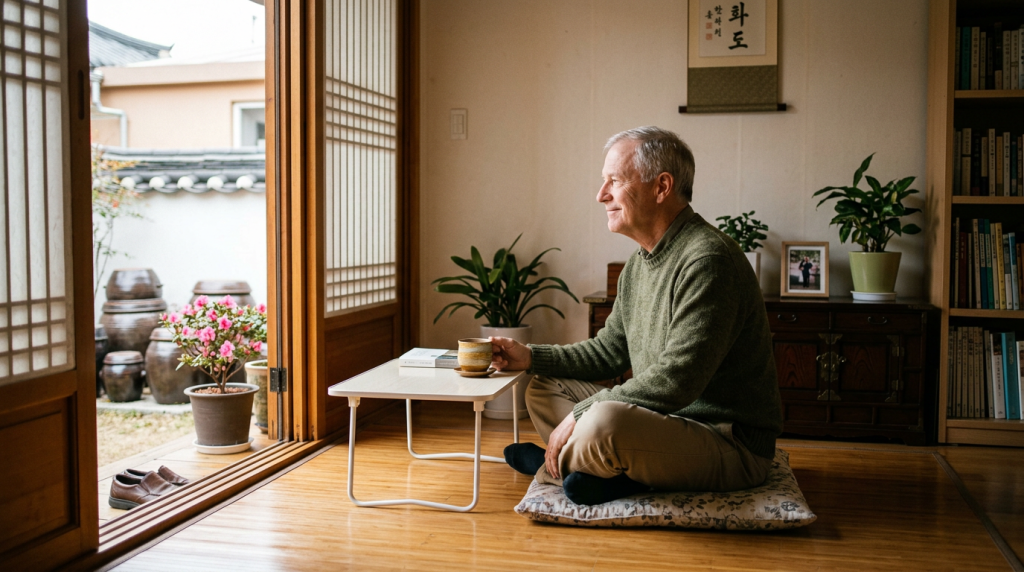
4-2. But Solitude Started Feeling Different
At the same time, Korea also taught me that being alone and being lonely are not always the same thing.
Some of my favorite moments eventually became:
- Quiet subway rides
- Solo café visits
- Evening walks near rivers
- Exploring unfamiliar neighborhoods slowly
Those experiences helped me appreciate solitude in a healthier way.

5. My Spending Habits Changed Without Me Realizing It
One unexpected lifestyle change was financial.
5-1. I Spent Less on Stress Relief
Back home, I often spent money because I felt stressed or mentally exhausted.
In Korea, daily life itself felt easier in some ways, so I naturally spent less on:
- Driving
- Impulse shopping
- Expensive entertainment
- Frequent weekend escapes
Average monthly lifestyle costs for me looked roughly like this:
| Expense | Average Monthly Cost |
| Transportation | ₩70,000 – ₩110,000 ($52–$82) |
| Food & groceries | ₩350,000 – ₩600,000 ($260–$450) |
| Healthcare & insurance | ₩100,000 – ₩200,000 ($75–$150) |
That financial stability reduced stress more than I expected.
5-2. Korea Quietly Encouraged Simplicity
Without intentionally planning it, I slowly became more minimalist.
I walked more.
Bought less.
Cooked simpler meals.
Spent more time outdoors.
Used public transportation instead of taxis.
That gradual lifestyle shift felt natural rather than forced.
6. Conclusion
What surprised me most about life in Korea was not the technology or the modern infrastructure — it was how daily life quietly changed my mindset, habits, and emotional pace over time.
Korea felt fast on the surface, but underneath that speed I discovered safety, convenience, routine, and surprisingly peaceful moments that supported a more balanced lifestyle.
For many foreigners considering retirement or relocation abroad, those small everyday experiences may ultimately matter more than tourist attractions or luxury lifestyles.
At Korea Retire Guide, I continue sharing honest personal experiences and practical insights for foreigners exploring long-term life in South Korea.
Next, you may want to read:
“Things I Wish I Knew Before Moving to Korea”
to learn about the practical mistakes, emotional adjustments, and unexpected lessons I experienced after living in Korea longer term.



Leave a Reply